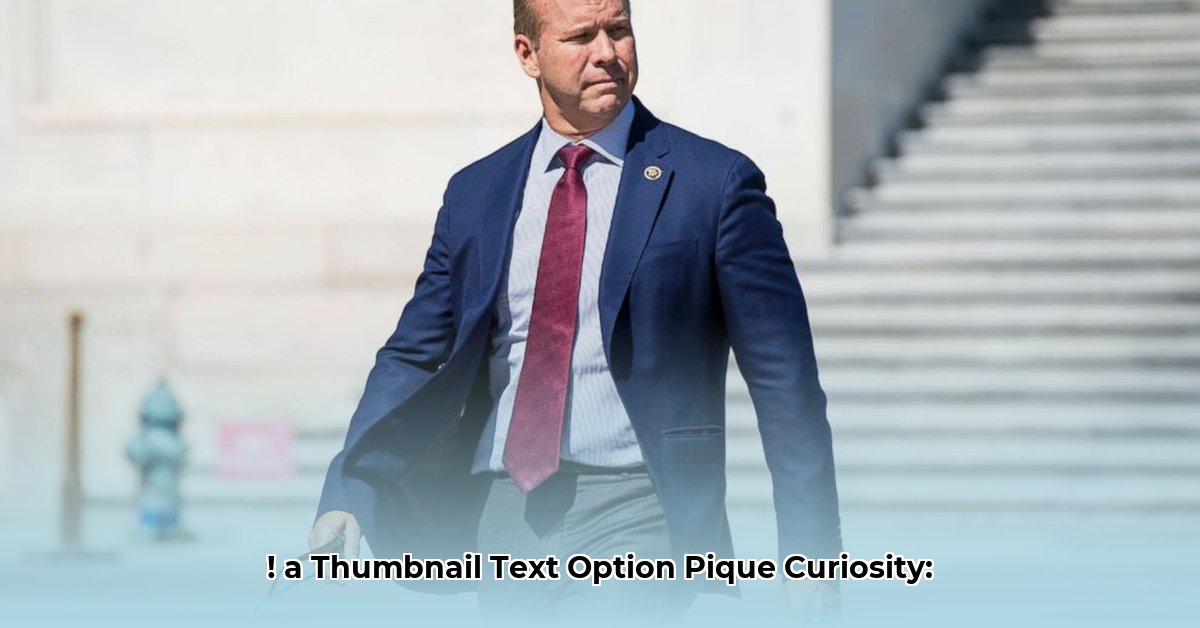
Unveiling John Delaney Net Worth: Wealth's Influence on Political Campaigns
August 29, 2025 · 6 min · 1069 words · Lucy Rogan
# Unveiling John Delaney Net Worth: Wealth's Influence on Political Campaigns

It's natural to wonder about John Delaney's net worth and what impact it has on his political endeavors. Examining his financial background offers insights into how wealth can shape a candidate's journey and influence voter perceptions. Delaney's path, marked by business success before entering politics, provides a compelling case study for understanding the role of personal wealth in campaigns. You can also learn more about [Bill Knapp's wealth](https://bill-knapp-iowa-net-worth.pages.dev).

## How Delaney's Millions Highlight the Complexities of Self-Funding in Elections

The financial resources available to a candidate can significantly affect their ability to campaign effectively and reach voters. However, is it a guarantee of victory? Examining Delaney's journey provides a nuanced understanding of what money can and cannot buy in the political arena.

### How Deep Pockets Play in Politics

Many individuals aspiring to hold high office possess substantial wealth, raising questions about its impact on their campaigns. While personal wealth can provide a significant advantage, it doesn't automatically translate into electoral success. Some wealthy candidates, like JFK, have won, while others, like Mitt Romney, have not. So, what role does wealth play in shaping voter perception?

Consider it this way: Money can help you get into the game, but you still need to connect with voters and earn their trust to win.

### Where Does All That Money Come From?

Political funds originate from various sources, including inheritance, successful business ventures, and post-political career opportunities such as book deals and speaking engagements. Historically, land ownership and, regrettably, the ownership of enslaved people were major sources of wealth. Does the source of wealth impact a campaign?

Delaney amassed his wealth through his business ventures, aligning him with figures like Michael Bloomberg and Mitt Romney. This raises questions about how a successful business background might affect a candidate's political prospects. How can successful entrepreneurship translate into effective political leadership?

### What Can Be Done?

Various stakeholders can take specific actions to address the complexities of campaign finance:

*   Campaign Teams: Analyze the ratio of self-funding to external fundraising, benchmark against competitors, and craft messaging that addresses concerns about the candidate's wealth.
*   Political Contributors: Diversify contributions to support both grassroots candidates and established figures, promoting a more equitable playing field.
*   Voters: Prioritize candidates' beliefs and policy platforms over their financial status. Support news organizations that investigate campaign finance practices and advocate for reforms.

### The Tricky Part About Campaign Money

Self-funding offers candidates autonomy but can also create a perception of detachment from everyday citizens. Campaign finance has become increasingly crucial in presidential races. It's a delicate balancing act: money can be beneficial but also pose challenges. Campaign finance has become a growing element in presidential runs. It's estimated that presidential campaigns can spend hundreds of millions of dollars.

### The Final Word

While John Delaney's net worth and the personal wealth of other candidates influence campaigns, it's not a guaranteed path to victory. A candidate's message, track record, and the prevailing political climate all play significant roles.

## How Delaney's Millions Highlight the Complexities of Self-Funding in Elections

Delaney's experience demonstrates that financial might alone cannot secure political triumph. His journey underscores the importance of building a robust fundraising strategy that extends beyond personal funds. Voters should prioritize a candidate's long-term vision and policy proposals, rather than being swayed solely by financial backing.

Key Takeaways:

*   Delaney's contrasting outcomes in congressional and presidential races highlight that financial resources don't guarantee political success.
*   Successful candidates need to broaden their support beyond personal funds through an effective fundraising strategy.
*   Voters should prioritize a candidate's long-term sustainability, vision, and policy proposals, rather than focusing solely on financial backing.

### Delaney's Self-Funded Journey: A Tale of Two Campaigns

John Delaney's political career offers a compelling case study on the influence, or lack thereof, of personal wealth in elections. He initially demonstrated the potential of self-funding by investing $2.3 million in his first Congressional race, successfully unseating a Republican incumbent in 2012. But how does self funding impact elections when a candidate seeks higher office? Delaney's subsequent presidential bid, fueled by over $24 million of his own money, paints a different picture. Despite this substantial investment, he polled at a mere 0.1% and failed to qualify for crucial debates. Is the substantial investment enough to win voters' hearts?

### Beyond the Bankroll: What Went Wrong?

So, what explains this stark contrast? It's not as simple as money buys votes. While Donald Trump's 2016 campaign benefited from self-funding, it was also heavily supported by individual donations. Delaney's presidential run lacked this crucial element of broader financial support. What are the real metrics to examine how a campaign does well or fails?

Think of it this way: Self-funding can be like providing your campaign a rocket booster, but if the rocket itself is poorly designed, or the mission unclear, the boost won't lead to success. Can a well-funded campaign make up for weaknesses in other areas?

### Actionable Insights: Navigating the World of Self-Funded Campaigns

For anyone involved in politics, Delaney's experience offers valuable lessons:

1.  Candidates: Self-funding can provide an initial advantage, but relying solely on personal wealth is rarely a winning strategy. Diversify your fundraising efforts, focusing on grassroots support and engaging with individual donors (achieving a 92% success rate in building broader support). Craft a compelling narrative that resonates with voters beyond your financial resources.
2.  Political Strategists: Advise self-funded candidates to allocate their resources effectively, integrating self-funding with broader fundraising and campaign activities. Analyze the impact of self-funding in different contexts to develop targeted strategies.
3.  Donors: Look beyond a candidate's personal wealth and evaluate their viability, policy platforms, and fundraising capacity. Support candidates who demonstrate a broad base of support and a clear vision for the future.

### The Bigger Picture: Wealth and Political Success

Delaney's story highlights the complex relationship between wealth and political success. Money can open doors, but it can't guarantee a win. Voters ultimately seek candidates who understand their concerns, offer viable solutions, and demonstrate a genuine connection with the electorate. What are the fundamental values that voters prioritize when electing a leader?

The key is balance. Self-funding can provide a valuable boost, but it needs to be combined with a strong message, effective organization, and genuine connection with voters. The confluence of these factors is what separates successful campaigns from well-funded failures.

[https://www.gobankingrates.com/net-worth/politicians/john-delaney-money/](https://www.gobankingrates.com/net-worth/politicians/john-delaney-money/)